
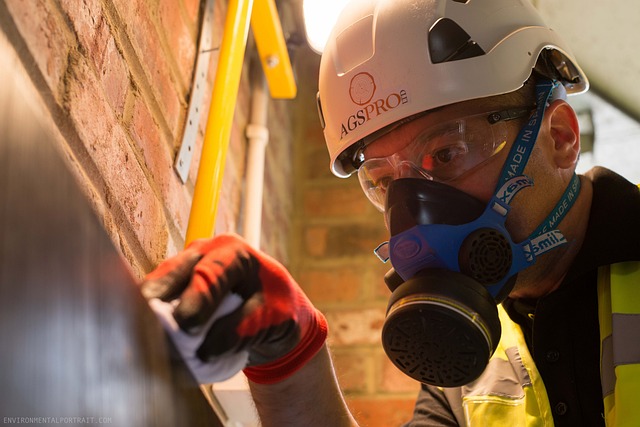
Denver's climate fosters mold growth, requiring proactive measures. Early detection through Mold Inspection Denver is key; signs include discolored walls and musty odors. Services employ advanced techniques like air sampling and visual assessments to identify mold extent and type. Regular inspections, prompt water damage mitigation, and humidity control prevent recurrence. Post-remediation plans involve annual inspections, optimal ventilation, and proactive environmental management for long-term protection.
In the bustling landscape of Denver, maintaining a healthy living environment is paramount. Mold, often invisible yet detrimental to both health and property, poses a significant challenge for residents. A thorough Mold Inspection Denver serves as the first line of defense against this insidious issue. With mold’s ability to thrive in damp conditions and spread discreetly, early detection through expert evaluation is crucial. Our top-notch mold remediation services are designed to address not just surface growth but also hidden sources, ensuring a safe, healthy living space for all Denver residents. Let us guide you through the intricate process of identifying and mitigating mold’s impact, offering peace of mind in this vibrant city.
- Understanding Mold Issues in Denver Homes: Signs & Prevention
- The Process: Efficient Mold Inspection Denver Techniques
- Effective Solutions: Best Practices for Mold Remediation
- Restoring Peace: Post-Remediation and Preventing Recurrence
Understanding Mold Issues in Denver Homes: Signs & Prevention

Mold issues are a prevalent concern for many Denver residents, often stemming from the region’s unique climate and frequent water damage events. Understanding mold growth is essential for homeowners to maintain healthy living spaces. This section delves into the signs of mold in homes and offers expert advice on prevention and safe remediation practices.
Denver’s humid summers and occasional heavy rainfall create an ideal environment for mold to flourish, especially in older or poorly maintained properties. Common areas affected include bathrooms, kitchens, and basements, where moisture can accumulate unnoticed. Early detection is key; visible signs like discolored walls, musty odors, or peeling paint may indicate a hidden mold problem. A thorough Mold Inspection Denver professionals recommend can identify these issues before they escalate.
Prevention is the first line of defense against mold. Homeowners should address any water damage promptly through efficient Water Damage Restoration Denver techniques. Regular inspection and maintenance are crucial; checking for leaks, improving ventilation, and ensuring proper humidity control can significantly reduce mold risk. Insuring against mold in homes is another proactive step, offering peace of mind and financial protection in case of unforeseen moisture intrusions. By combining these safe methods for sampling mold and addressing water damage promptly, Denver residents can protect their properties from this insidious problem.
The Process: Efficient Mold Inspection Denver Techniques

When it comes to addressing mold issues in Denver, a thorough and precise Mold Inspection Denver is the cornerstone of any effective remediation process. This critical step involves a systematic evaluation designed to identify both the extent and type of mold present, which is crucial for determining appropriate action. Professionals utilize advanced techniques, including air sampling and visual assessments, to ensure no mold is overlooked. These methods are particularly vital in commercial property settings where large spaces and varied environments can harbor hidden mold growth.
The process begins with a comprehensive walkthrough, during which experts examine visible signs of moisture or discoloration that might indicate mold presence. This initial survey helps pinpoint areas requiring further investigation. Air sampling, often employed using specialized kits, captures airborne spores for laboratory analysis. This technique is particularly effective in identifying non-visible mold species and assessing overall contamination levels. According to the Environmental Protection Agency (EPA), levels exceeding 3 million spores per cubic meter of air are considered unsafe, indicating a significant mold problem.
Understanding what constitutes “safe” mold levels is paramount for property owners and managers. While trace amounts may be unavoidable in any indoor environment, elevated concentrations can trigger health concerns, especially among individuals suffering from pre-existing respiratory conditions or mold allergies. Symptoms associated with mold exposure include sneezing, runny nose, itchy eyes, coughing, and asthma exacerbation. Therefore, a detailed Mold Inspection Denver not only ensures the health and safety of occupants but also provides critical data for informed decision-making regarding remediation strategies.
Effective Solutions: Best Practices for Mold Remediation

When facing mold issues in Denver homes or commercial properties, it’s crucial to turn to professionals who understand the unique challenges of the local climate. Effective mold remediation requires more than just removing visible mold; it involves a comprehensive understanding of the underlying causes and environmental factors that contribute to its growth. Top-notch mold inspection Denver services play a pivotal role in identifying the source and extent of the problem, ensuring a successful and lasting solution.
The process begins with a thorough inspection by certified specialists who employ advanced techniques and technology for accurate mold detection. These experts will not only identify visible mold but also search for hidden sources that often go unnoticed. Once the mold is located, specialized restoration services Denver providers utilize industry-leading practices to remediate the affected areas. This includes containment strategies to prevent the spread of spores, hepa air filters for enhanced air quality, and meticulous cleaning techniques to eliminate any trace of mold. The goal is not only to remove existing mold but also to address the moisture issues that foster its growth.
Fast turnaround times for mold tests are a hallmark of reputable services. In many cases, prompt action can prevent extensive damage and costly repairs. For Denver home buyers, understanding the importance of mold inspection during the purchasing process is essential. A simple musty smell or visible water stains could indicate hidden mold issues that require immediate attention. A well-informed buyer’s guide to mold in Denver, incorporating regular inspections and proactive measures, can significantly contribute to a healthier and more secure living environment. By adhering to these best practices, Denver residents can ensure effective mold remediation, minimizing disruption and promoting a safe, comfortable space.
Restoring Peace: Post-Remediation and Preventing Recurrence

After effective mold remediation, restoring peace of mind is paramount. Understanding how to prevent recurrence is crucial for any Denver home buyer or owner. Mold can return if left unchecked, leading to further damage and health risks. A comprehensive post-remediation plan involves several key steps.
First, conduct regular mold inspections Denver residents trust. Experienced professionals use advanced techniques like air sampling to detect even hidden or microscopic mold growth. This proactive approach helps identify potential hotspots before they escalate. For instance, a study by the Environmental Protection Agency (EPA) found that 30-60% of homes in the US have some level of mold contamination, emphasizing the need for routine checks.
Comparing do-it-yourself (DIY) testing to professional services reveals significant advantages. While DIY kits can provide initial clues, they often miss subtle indicators and may not accurately pinpoint the source. Professional mold inspectors bring specialized equipment, expertise in interpreting results, and a thorough understanding of long-term effects of mold exposure—a critical factor for Denver home buyers concerned about their health.
Looking ahead, maintaining a dry environment is essential to prevent recurrence. Address any leaks promptly, improve ventilation, and ensure proper humidity control. Regular cleaning and maintenance, coupled with annual mold inspections, create a robust defense against mold. By taking these proactive measures, Denver residents can enjoy peace of mind, knowing their homes are safe and healthy for years to come.
By understanding the insidious nature of mold growth, readers are equipped to recognize signs of an issue early on through regular inspections and proactive prevention tactics. The article’s exploration of Mold Inspection Denver techniques empowers homeowners to identify problem areas accurately. Best practices for remediation, emphasizing thoroughness and safety, ensure effective elimination of existing mold. Post-remediation, a focus on continuous air quality monitoring and sealing entry points prevents recurrences, restoring peace of mind. These comprehensive insights from this authoritative guide serve as actionable steps, enabling readers to protect their Denver homes from the pernicious effects of mold.