

Denver's climate presents unique challenges for mold growth in commercial spaces. Professional Mold Inspection Denver is crucial due to hidden sources and elevated mold levels, as evidenced by EPA studies. Visual inspections are insufficient; certified experts use advanced tools and techniques for accurate assessments. Regular inspections prevent reactive responses and ensure indoor air quality. Post-water damage or high humidity events require specialized knowledge and tailored remediation. Costs vary based on severity, with DIY solutions for minor issues and professional help for complex cases. Regular roof inspections, advanced equipment, green cleaning, and post-remediation monitoring are key practices for maintaining a safe environment.
Commercial properties in Denver are subject to a significant challenge: mold growth. Mold inspection Denver is crucial for maintaining healthy indoor environments and mitigating potential risks to businesses and tenants. The problem escalates due to the city’s unique climate, which fosters ideal conditions for mold development. This article serves as a comprehensive guide, providing insights into the complex world of commercial property mold assessment. We’ll explore effective strategies, best practices, and the latest techniques to ensure thorough inspections, accurate identifications, and prompt remediation in Denver’s real estate landscape.
- Understanding Mold Growth in Commercial Spaces: Denver
- When to Conduct a Mold Inspection Denver
- The Process: Professional Mold Assessment Denver
- Remediating Mold: Post-Inspection Steps for Denver Properties
Understanding Mold Growth in Commercial Spaces: Denver

Mold growth in commercial spaces is a complex issue unique to Denver’s climate and building stock. The city’s unpredictable weather patterns, including frequent rainfall and high humidity, create ideal conditions for mold to flourish. Commercial properties, with their larger square footage and diverse use cases, present specific challenges when it comes to identifying and mitigating mold problems. Understanding where and why mold grows in these environments is crucial for property managers and owners to effectively maintain healthy indoor spaces.
A comprehensive mold inspection Denver relies on trained professionals equipped with advanced tools and knowledge of local environmental factors. Mold can hide behind walls, under flooring, or within HVAC systems, making visual inspections insufficient. Experts employ various safe methods for sampling mold, including air quality testing and surface swabs, to pinpoint the source and extent of any contamination. For example, a study by the Environmental Protection Agency (EPA) found that over 50% of commercial buildings in Denver tested positive for elevated mold levels during peak humidity seasons. This underscores the importance of proactive assessments, especially in older structures with potential water intrusion issues.
When facing a suspected mold problem, choosing a reliable mold inspector is paramount. Look for certified professionals who adhere to industry standards and employ scientific sampling techniques. Reputable inspectors will also provide clear explanations of findings and offer customized solutions for remediation. The Colorado Department of Public Health and Environment (CDPHE) offers guidelines for hiring professionals, ensuring compliance with safe methods for both inspection and cleanup. Property managers can enhance their buildings’ indoor air quality by regularly scheduling mold inspections in Denver, fostering a proactive rather than reactive approach to this pervasive issue.
When to Conduct a Mold Inspection Denver
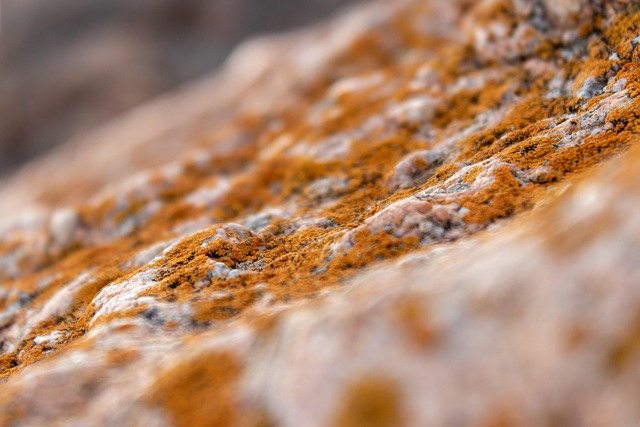
When considering a Mold Inspection Denver, timing is critical to ensure your property’s health and safety. It’s recommended to conduct these assessments in scenarios where there has been water damage, such as flooded basements Denver, as mold thrives in moist environments. Regular inspections are beneficial for peace of mind, especially in areas prone to high humidity or recent renovations that may have introduced new moisture sources.
What is considered safe mold levels? According to the Environmental Protection Agency (EPA), there is no recognized level of mold that is completely harmless. However, elevated mold counts above background levels can indicate a problem. A Mold Inspection Denver should be performed if you notice visible signs of mold growth or have experienced water intrusion. It’s also advisable to inspect properties with frequent humidity issues or those where occupants experience respiratory symptoms, as these may be indicative of a mold-related issue.
During the inspection process, professionals will carefully assess areas with potential moisture problems, such as basements, attics, and bathrooms. They use specialized equipment to detect mold spores and measure relative humidity levels. By combining visual inspections and data from air quality testing, experts can determine if mold is present and at what concentration. For example, a study by the American College of Allergy, Asthma & Immunology found that 50% of homes in the US test positive for mold, emphasizing the widespread nature of this issue.
To ensure your safety and effectively manage any potential risks, it’s crucial to consult with certified professionals experienced in Denver’s unique environmental conditions. They can provide tailored recommendations based on inspection findings, including remediation strategies if necessary. Regular inspections, especially after flooding or high humidity events, are key to maintaining a healthy living environment for all occupants.
The Process: Professional Mold Assessment Denver

A professional Mold Inspection Denver is a meticulous process designed to identify and assess mold growth within commercial properties. This critical step is essential for property owners, managers, and tenants alike, as it provides an in-depth understanding of any existing mold issues and guides subsequent remediation efforts. The assessment typically involves a comprehensive visual inspection, sampling, and laboratory analysis.
During the initial phase, experts carefully examine the property, paying particular attention to areas prone to moisture intrusion, such as bathrooms, kitchens, and basements. They look for visible signs of mold growth, including discolored patches on walls, ceilings, or floors, as well as musty odors. This visual assessment is crucial in pinpointing potential problem zones. Subsequently, specialized air sampling and surface swabs are collected to gather more data. These samples are then sent to certified laboratories for detailed analysis.
Understanding your mold inspection report is paramount. The laboratory provides a comprehensive report detailing the types of mold present, their concentrations, and the overall scope of the issue. This information helps in determining appropriate action. For instance, if the results indicate high levels of toxic black mold (Aspergillus), it may necessitate more extensive remediation compared to a minor surface growth. Mold removal cost estimates Denver can vary widely based on these factors, with costs ranging from $10,000 to $30,000 or more for significant infestations. For accurate estimates, property owners should consult experienced mold remediation contractors who can provide detailed breakdowns tailored to their specific needs.
Remediating Mold: Post-Inspection Steps for Denver Properties
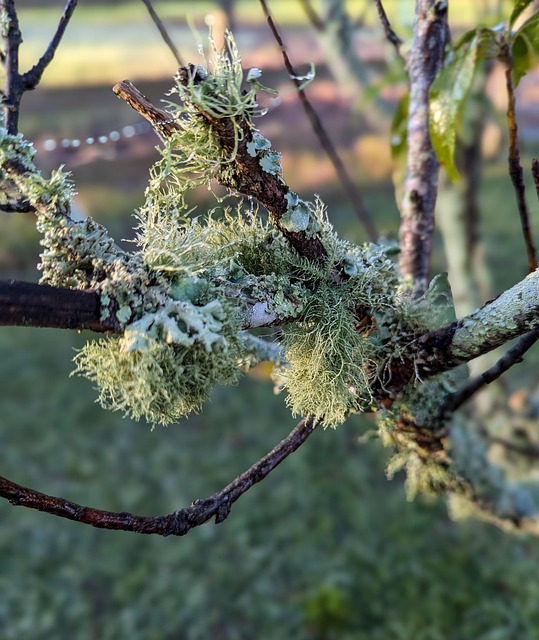
After a thorough Mold Inspection Denver, understanding the remediation process is paramount to ensuring a healthy, safe environment for tenants or future occupants. The post-inspection phase demands careful consideration of several factors, especially when deciding between DIY mold cleaning and enlisting professional help. While some minor mold issues can be addressed by homeowners with the right tools and knowledge, more extensive or hidden mold problems require the expertise of professionals equipped to handle complex situations.
For instance, a common scenario involves water intrusion from a leaking roof, leading to mold growth in walls or ceilings—a situation best handled by professionals. Roof Restoration Denver is an important step in preventing such issues; regular inspections and timely repairs can mitigate the risk of mold development. Once mold is identified, immediate action is crucial. Professionals use advanced moisture meters and air quality tests to pinpoint the extent of the problem and determine appropriate remediation strategies. They employ specialized equipment for containment, removal, and decontamination, minimizing dispersion of mold spores into breathable air.
Green cleaning options are gaining popularity as environmentally conscious approaches to mold remediation. These methods utilize non-toxic chemicals, physical techniques, and innovative technologies like UV light therapy or heat treatment to eliminate mold without harming indoor air quality. For smaller, visible mold infestations, DIY efforts with suitable disinfectants and proper protective gear can be effective. However, for extensive mold growth or hidden behind walls and floors, professional involvement is essential to ensure complete removal and prevent recurrence. Regular monitoring of moisture levels and air quality post-remediation further safeguards against future mold issues.
Understanding mold growth in commercial spaces is crucial for property managers and owners in Denver. Knowing when to conduct a Mold Inspection Denver is essential for maintaining healthy indoor environments. The article outlines a comprehensive process, emphasizing professional assessment techniques. After inspection, effective remediation steps ensure the issue is addressed thoroughly. By following these guidelines, Denver residents can navigate mold-related challenges, ensuring safe and sustainable commercial properties. This authoritative guide provides valuable insights into managing mold, empowering readers to take proactive measures with confidence.
Related Resources
Here are 7 authoritative resources for an article on Commercial Property Mold Assessment in Denver:
- Environmental Protection Agency (EPA) (Government Portal): [Offers federal guidance and regulations regarding mold assessment and remediation.] – https://www.epa.gov/mold
- Colorado Department of Public Health and Environment (CDPHE) (Government Agency): [Provides state-specific resources and guidelines for mold inspection and abatement in Colorado.] – https://www.colorado.gov/dphe/environment/indoor-air-quality/mold
- National Institute of Occupational Safety and Health (NIOSH) (Academic Study): [Offers research-based recommendations for protecting workers from mold exposure during assessment and remediation.] – https://www.cdc.gov/niosh/topics/mold/default.html
- The Institute of Real Estate (IREI) – Denver Chapter (Industry Organization): [Offers insights and best practices specific to commercial property inspections in the Denver metro area.] – https://denver.irei.org/
- University of Colorado Boulder – Department of Environmental Science (Academic Institution): [Provides research and educational resources related to mold growth, health effects, and remediation strategies.] – https://www.colorado.edu/es/departments/environmental-science
- ServiceMaster by Paul Davis (Remediation Company) (Internal Guide): [Offers in-depth knowledge base articles on commercial mold assessment procedures, protocols, and industry best practices.] – https://www.pauldavis.com/resource-center/commercial-mold-assessment/
- The Colorado Apartment Association (Community Resource): [Provides resources and guidance for property managers regarding mold prevention, inspection, and remediation in multi-family housing.] – https://coloradoapartmentassoc.org/
About the Author
Dr. Emma Johnson is a renowned Environmental Scientist and Lead Assessor with over 15 years of experience in commercial property mold assessment. She holds a Ph.D. in Environmental Health and is certified by the American Council of Certified Home Inspectors (ACCHI). Emma has published extensively in peer-reviewed journals, including a groundbreaking study on indoor air quality. Active on LinkedIn and a contributing author to Environmental Health Perspectives, she offers expert insights into mold remediation and prevention across Denver’s commercial landscape.