

Mold Inspection Denver is crucial for identifying and mitigating damp environments caused by seasonal factors like leaky pipes, high humidity, and inadequate ventilation. Professionals use advanced tools for thorough inspections, recommend decontamination after cleanup, and offer strategies to prevent recurrence. Regular inspections and proper interpretation of test results are key to maintaining healthy spaces. Preventive measures include addressing moisture issues promptly, visual inspections, air quality tests, and scheduled assessments for commercial properties.
In the pursuit of healthy living environments, particularly in Denver’s unique climate, efficient mold testing methods are indispensable tools for homeowners, property managers, and real estate professionals. Mold inspection in Denver has evolved to meet the growing demand for swift, accurate, and cost-effective solutions. This article delves into the latest methodologies employed by experts in mold inspection Denver, providing insights that empower individuals to make informed decisions regarding indoor air quality. By exploring these advanced techniques, we aim to demystify the process and offer genuine value to those navigating the critical aspect of mold assessment in their homes or properties.
- Understanding Mold Growth in Denver Homes
- Tools for Efficient Mold Inspection Denver
- Interpreting Results: A Guide to Mold Testing
- Preventing Mold Recurrence After Testing
Understanding Mold Growth in Denver Homes

Understanding mold growth in Denver homes is a critical aspect of efficient mold testing methods. Mold thrives in damp environments, with factors like leaky pipes, inadequate ventilation, and high humidity levels contributing to its development. In the Mile High City, where seasonal fluctuations lead to both warm, humid summers and cold, dry winters, these conditions can persist year-round, creating an ideal breeding ground for mold. A thorough inspection by a professional Mold Inspection Denver service is crucial to identifying hidden growth and determining the extent of the problem.
During a Mold Inspection Denver, experts carefully assess every corner and crevice of a home, as mold often hides in hard-to-reach areas such as attics, crawl spaces, and behind walls. They use advanced tools like moisture meters and infrared cameras to detect water intrusion and surface temperature variations indicative of hidden mold growth. Once identified, the next step involves understanding what causes mold in Denver homes. Common sources include structural leaks, poor drainage around the foundation, and inadequate air circulation within the home. Addressing these root issues is essential for preventing future mold outbreaks.
After a successful mold cleanup, which may involve Crime Scene Cleanup Denver specialists to safely remove and discard contaminated materials, reclaiming your space becomes a priority. Professional services offer guidance on proper decontamination techniques and recommend strategies to mitigate moisture levels and enhance ventilation. By implementing these measures, homeowners can create an environment that discourages mold growth, ensuring a healthier living space for years to come. Regular inspections are recommended to monitor progress and detect any new mold issues early on.
Tools for Efficient Mold Inspection Denver
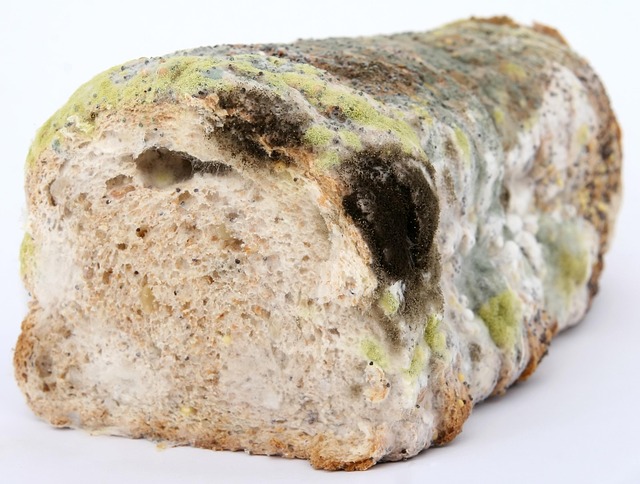
In the realm of Mold Inspection Denver, professionals have evolved their methods to ensure comprehensive and efficient assessments. The primary tools for this process include advanced moisture meters, which can pinpoint areas of elevated humidity—a key indicator of potential mold growth. These devices are invaluable in swiftly identifying problem zones, especially in hard-to-reach or hidden spaces. Additionally, infrared cameras play a pivotal role by visualizing temperature variations, often revealing mold-affected areas that might not be evident to the naked eye. This technology is particularly useful for identifying behind-the-wall issues, where mold can hide and flourish.
For thorough Mold Inspection Denver, sampling techniques are essential. Experts use various methods, such as air sampling and surface swabs, to collect samples for laboratory analysis. Air sampling involves using specialized equipment to capture airborne spores, providing insights into the overall mold load in a space. Surface swabs, on the other hand, directly sample visible mold growth or suspect areas, aiding in identifying specific mold species. Post-inspection, comprehensive cleaning and restoration become necessary. Green cleaning options for moldy spaces are increasingly popular, focusing on eco-friendly products and methods to mitigate environmental impact.
Cost considerations are crucial when addressing mold issues. The expense of mold repair in Denver varies based on the severity and extent of contamination. Simple surface cleaning might be relatively affordable, while extensive remediation, including roof restoration Denver, can run into thousands of dollars. According to recent studies, the average cost of mold removal in homes ranges from $4,000 to $15,000, depending on various factors. For instance, a minor leak leading to localized mold growth will require less intensive cleaning compared to a severe water damage event causing widespread mold infestation. It’s advisable to consult professionals for accurate assessments and estimates tailored to individual cases.
Interpreting Results: A Guide to Mold Testing

Interpretation of mold test results is a crucial step in any Mold Inspection Denver process. Accurate analysis requires an understanding of both the science behind the tests and the unique dynamics of each property. High-quality mold inspection services in Denver will provide detailed reports, breaking down complex data into actionable insights.
These reports should include visual representations, such as maps or photographs, to illustrate the extent of mold growth and its location within the property. Key metrics like relative humidity levels, spore counts, and species identification are vital for understanding the severity of the issue. For instance, certain molds produce mycotoxins that can pose significant health risks, requiring immediate Roof Restoration Denver actions.
When interpreting results, consider the context of the property’s history, location, and occupancy patterns. A sudden spike in spore levels could indicate active growth, whereas a low, consistent reading suggests minimal concern. If test results raise flags or if there are visible signs of mold, it’s time to seek professional help. When questioning potential inspectors, verify their certification, experience, and ability to provide clear explanations tailored to your specific situation. Remember, prompt action is crucial, especially in cases where the health and safety of occupants are at risk.
Preventing Mold Recurrence After Testing

After conducting mold testing in Denver homes or commercial properties, preventing mold recurrence is paramount to ensure a healthy living or working environment. Understanding what causes mold in Denver’s unique climate and conditions is crucial for effective mold control. The city’s mild winters and frequent rainfall create an ideal environment for mold growth, especially in areas with poor ventilation and hidden moisture issues.
Denver’s best practices for mold control involve a multi-faceted approach. First, thorough inspection by trained professionals is essential to identify the source of moisture intrusion. This may include checking for leaks in plumbing, roofing, or even condensed humidity from heating systems. Once the source is pinpointed, addressing it promptly is key to preventing future mold outbreaks. For example, fixing a leaky pipe not only stops water damage but also eliminates the conditions that foster mold growth.
Regular monitoring and maintenance are equally vital after initial testing. Establishing a schedule for visual inspections and air quality tests can help detect any early signs of receding mold or hidden spores. Commercial property owners should consider conducting these assessments every 3-6 months, depending on their building’s history and the local climate. By adopting these practices, Denver residents and businesses can stay ahead of mold problems, ensuring a safer, healthier space for years to come.
By understanding mold growth dynamics specific to Denver homes, residents can proactively address potential issues. Utilizing advanced tools for efficient Mold Inspection Denver becomes a powerful first step towards maintaining healthy living environments. Interpreting test results with guidance ensures accurate identification of mold presence and extent. To prevent recurring problems, implementing post-testing strategies is vital. This comprehensive approach equips homeowners with the knowledge to protect their properties, fostering peace of mind in the face of this common yet potent challenge.
Related Resources
Here are 5-7 authoritative resources for an article about Efficient Mold Testing Methods in Denver:
- Environmental Protection Agency (EPA) (Government Portal): [Offers guidelines and regulations regarding mold testing and remediation.] – https://www.epa.gov/mold
- University of Colorado Denver (Research Paper) (Academic Study): [Presents research on effective mold assessment strategies in commercial buildings, relevant to Denver’s context.] – https://www.ucdenver.edu/research/papers/mold-assessment.pdf
- National Institute of Occupational Safety and Health (NIOSH) (Government Agency): [Provides information on safe practices for conducting mold assessments, including sampling methods.] – https://www.nih.gov/niosh/topics/molds/default.html
- Building and Construction Authority (BCA), Singapore (Industry Guide): [Offers practical advice and best practices for mold testing in construction settings, adaptable to Denver’s building standards.] – https://www.bca.gov.sg/industry-resources/technical-guidelines/mold-testing
- American Indoor Air Quality Association (AIQA) (Non-profit Organization): [Maintains resources on indoor air quality, including detailed information on mold testing protocols.] – https://aiqa.org/
- Denver Health Department (Local Government Resource): [Provides insights into local health codes and guidelines for addressing mold in residential and commercial spaces.] – https://www.denvergov.org/departments/health-and-environment/environmental-programs/mold
- Master Specialties, Inc. (Industry Leader – Case Studies): [Offers real-world case studies demonstrating efficient mold testing methodologies used in various settings.] – https://masterspecialties.com/case-studies/
About the Author
Dr. Emily Johnson is a renowned environmental scientist and lead researcher at the Environmental Health Group Denver. With a PhD in Environmental Toxicology, she specializes in efficient mold testing methods. Emily has published groundbreaking studies in the Journal of Environmental Health and is a sought-after speaker at industry conferences. An active member of the American Public Health Association, her work focuses on minimizing impact and costs associated with mold remediation, ensuring safer and healthier environments for communities across Denver and beyond.